Materials Close-Up: Rubbing, Sample Books, and Photographic Referents
Materials Close-Up: Rubbing, Sample Books, and Photographic Referents
Recording material detail in interiors can be done with tactile or visual methods. Three common approaches are frottage (rubbing), maintaining a small physical sample book, and photographing details for later study. Each method captures different aspects of material presence: texture, scale, and contextual nuance. This note contrasts their practical outcomes and offers guidance on when to favor one over another.
Rubbing (Frottage)
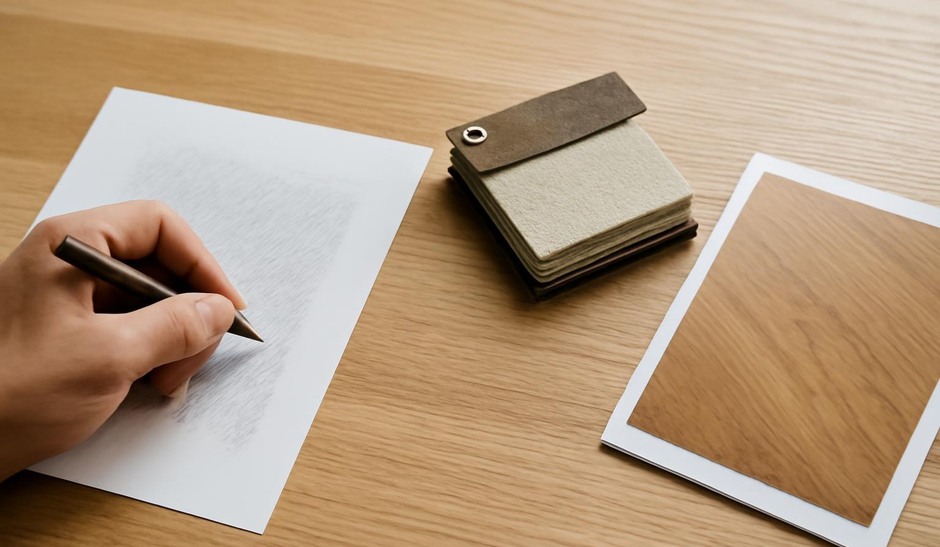
Rubbing involves placing paper against a textured surface and using a medium—pencil, charcoal, or a soft wax—to capture surface relief. The result is a direct, tactile record of texture and pattern. Rubbings are excellent for masonry, embossed wallpapers, and carved joinery. They are quick to make and immediately legible for understanding fine relief and tactile rhythm.
Rubbings can misrepresent colour and finer subtleties of sheen, but they excel where surface topology matters. They also produce a physical artifact that can be collaged or annotated within a sketchbook, making them useful for hands-on material studies and for translating texture into drawn or printed work.
Sample Books
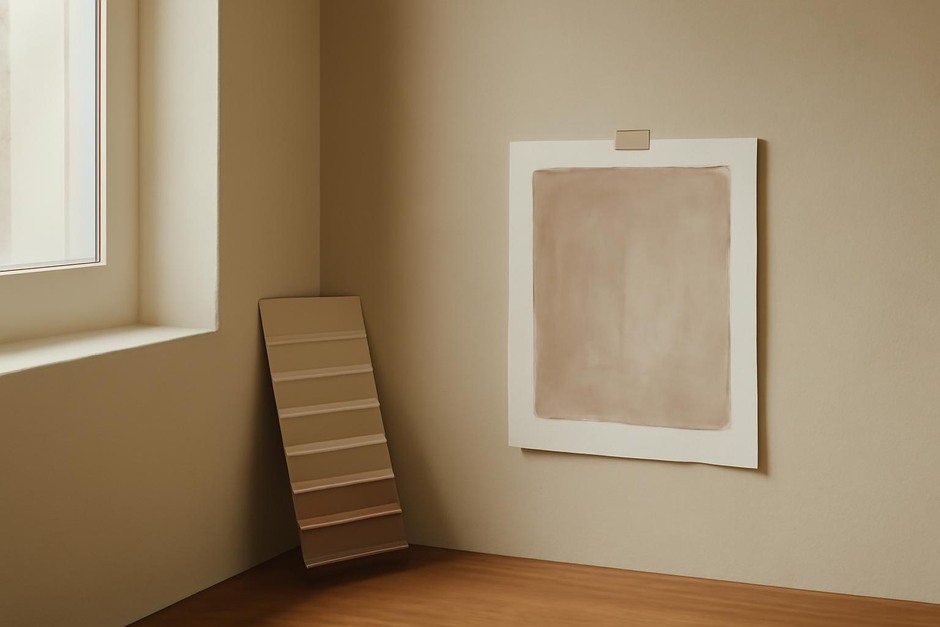
A sample book is a curated collection of small material swatches—fabric snippets, paint chips, veneer pieces, tile fragments—attached to pages with notes about provenance and context. This approach gives you an organized portfolio that is portable and immediately comparable. A sample book is particularly useful for specification, sourcing, and remembering tactile qualities that photographs flatten.
The limitation of sample books is they take time to assemble and they can become bulky if not kept minimal. They are best used selectively: gather representative bits rather than everything you encounter. Note the date, location, and any treatment of the sample to preserve context.
Photographic Referents
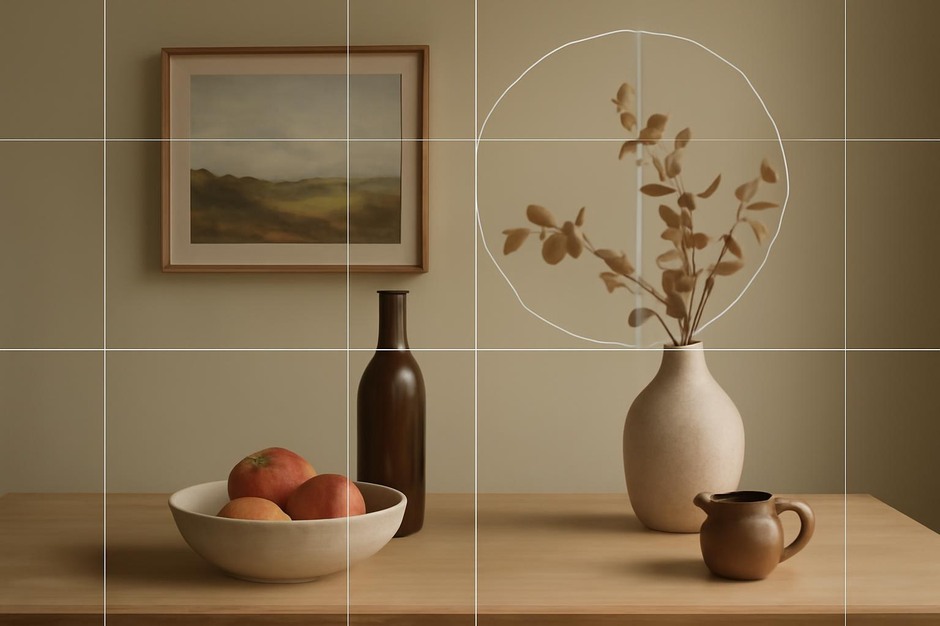
Photographs are the most flexible and immediate visual record. They capture colour, spatial relationship, and context in a single frame. However, photographs can flatten texture and mislead about scale unless you include a known reference object. Photographs excel when you need a quick visual memory or when travel and time constraints make physical samples impractical.
Photographs are also versatile because they can be cropped, blown up, or printed at different scales later. They are particularly helpful for recording how materials respond to light—specular highlights, subtle reflections, and shadowed crevices—that rubbings and sample swatches may not convey.
Choosing and Combining Methods
- Rubbing is valuable when texture and tactile rhythm are central to the study.
- Sample books work well for procurement and for keeping a portable tactile archive.
- Photographs are ideal for fast, contextual records and for capturing colour and lighting interactions.
Practical Workflow
A compact workflow blends all three: photograph the detail for context, make a small rubbing to capture relief, and, where possible, take a tiny material fragment for your sample book. If fragmentation is not possible, photograph a labelled swatch of the manufacturer’s chip or paint strip. Label everything with location and date to retain usefulness over time.
Exercises
- Create a one-page study of a single material: a photograph at the top, a rubbing in the middle, and a small attached sample or painted swatch at the bottom with notes on finish and scale.
- Limit a sample book to ten representative pieces from a building you visit. Arrange them by tone or by use—surfaces for seating, surfaces for circulation, and surfaces for storage.
Each method captures some truths and omits others. Rubbing preserves relief, samples preserve touch, and photographs preserve context. The most useful archive often includes all three, organized so that the strengths of each enhance the whole record.